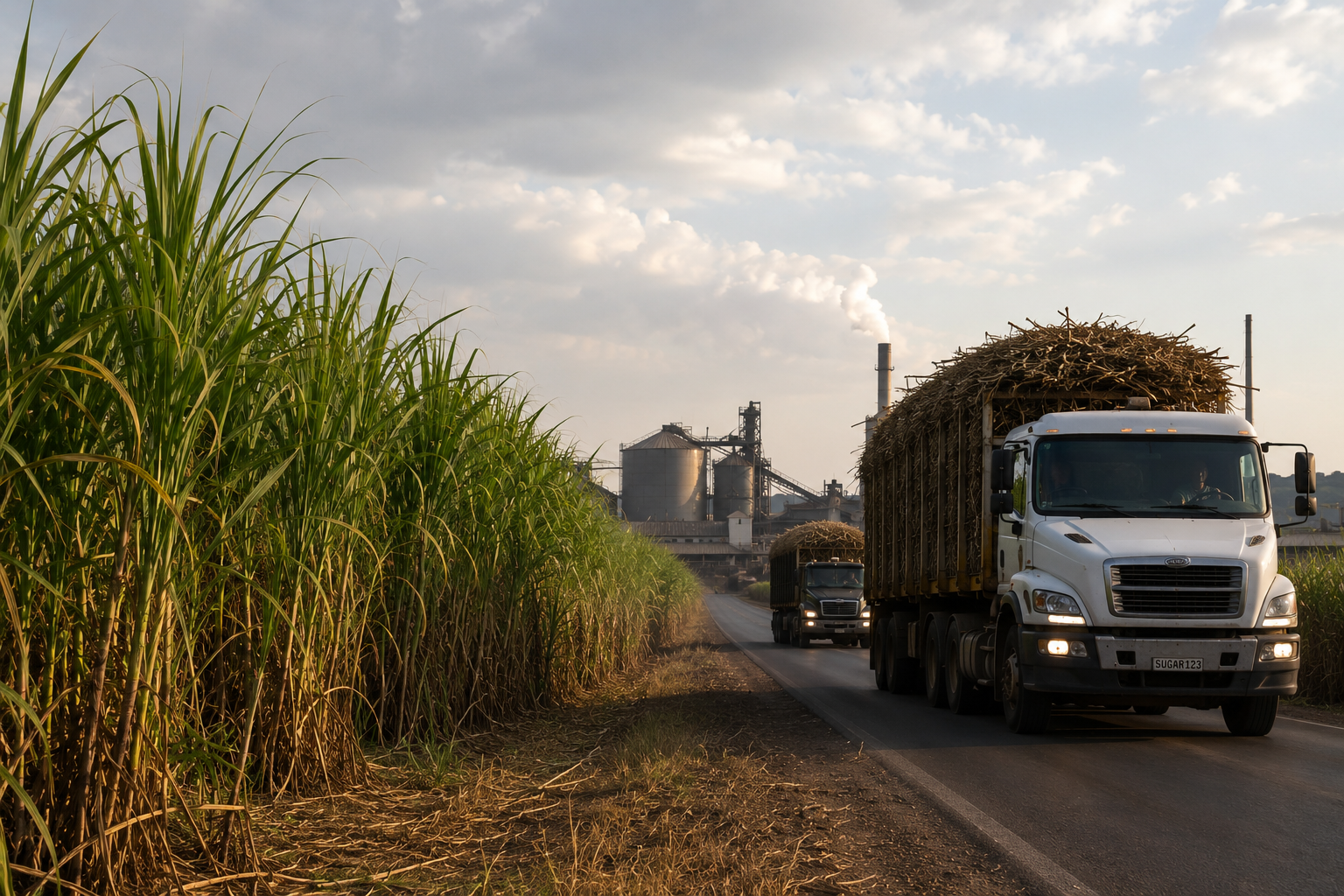
Sugar, they say, sweetens everything. But right now in South Africa, the taste has turned distinctly bitter.
The provisional liquidation of Tongaat Hulett has sent shockwaves through South Africa's sugar industry, unsettling one of the region’s most recognisable agricultural brands. For thousands of workers and farmers, the crisis is not theoretical, it is personal. And while reassurances have been issued that operations in Zimbabwe remain steady, history suggests that when the centre trembles, the edges feel it too.
South Africa’s troubles did not erupt overnight. Years of heavy debt, governance failures and a collapsed rescue deal left the business financially fragile. At the same time, the operating environment became harsher. Rising costs, import competition, infrastructure breakdowns and weak demand steadily squeezed margins. The company struggled to adapt quickly enough. Costs remained high, diversification was limited and the balance sheet grew heavier just as margins thinned.
Across the border, the picture looks calmer. Tongaat Zimbabwe’s operations benefit from a protected market,stronger pricing power and an integrated estate model that provides greater control over production. US dollar revenues have offered an added layer of stability. Operationally, the business remains sound.
But calm waters can hide deeper currents, thus stability should not be confused with immunity .
Financial stress at group level can ripple outward through capital pressures, tighter creditor terms and shaken confidence among farmers and regulators. In agriculture, perception matters. Uncertainty alone can unsettle supply chains long before balance sheets do.
The lesson from South Africa is clear: overreliance on a single product, in a volatile market, combined with weak capital discipline, can quietly erode even long established businesses.
For Tongaat Zimbabwe, the priority now is prevention. Financial independence must be safeguarded. Liquidity buffers should be strengthened. Exposure to group liabilities must be tightly managed.
Diversifying beyond bulk sugar into energy generation, ethanol or higher-value products would reduce vulnerability to price swings. At the same time, relentless cost control and productivity improvements are essential even in a protected market. It is also important to note that protected markets do not stay protected forever.
Equally important is maintaining trust with outgrower farmers, employees, government and creditors. Transparent communication and steady leadership will help prevent uncertainty from becoming instability. Tongaat South Africa’s troubles are a cautionary tale about strategic drift and financial overreach.
Tongaat Zimbabwe has an opportunity to chart a different path, one defined by discipline, diversification and resilience. The question is not whether it is safe today. The real question is whether it is preparing for tomorrow.